Kind, truthful, and necessary…

The fifth graders, Mrs. Bass (our assistant principal), teachers, and I had a little conversation at the end of lunch today regarding some unfortunate incident reports of 5th grade friends using really inappropriate language at school.  While I won’t go into the details of specific standupword choices, I did specifically address the fact we do NOT use bad word choices while at school.  While I’m respectful and mindful of the tolerant levels of parents at home, school is NOT the right place to curse or use derogatory slang words.

In a moment of complete divine intervention, I looked up to see one of our regular dads, Mr. M., enjoying lunch with his child and a friend (enjoying, at least, until I started my lecture at the end).  🙂  I asked him (while putting him on the spot because I knew he would “play this out” with me), how he felt knowing this kind of bad language is used and heard at our school at times.  He shared these pearls of fatherly wisdom with all of us:  “Is what you say kind, is it truthful, and is it necessary?”  Three simple yet profound words:  kind, truthful, necessary…Thanks, Mr. M!  Here’s hoping we ALL Stand UP to heed the opportunity to ask ourselves these very questions the next time we are tempted to use mean words of any type.

WRITE on…

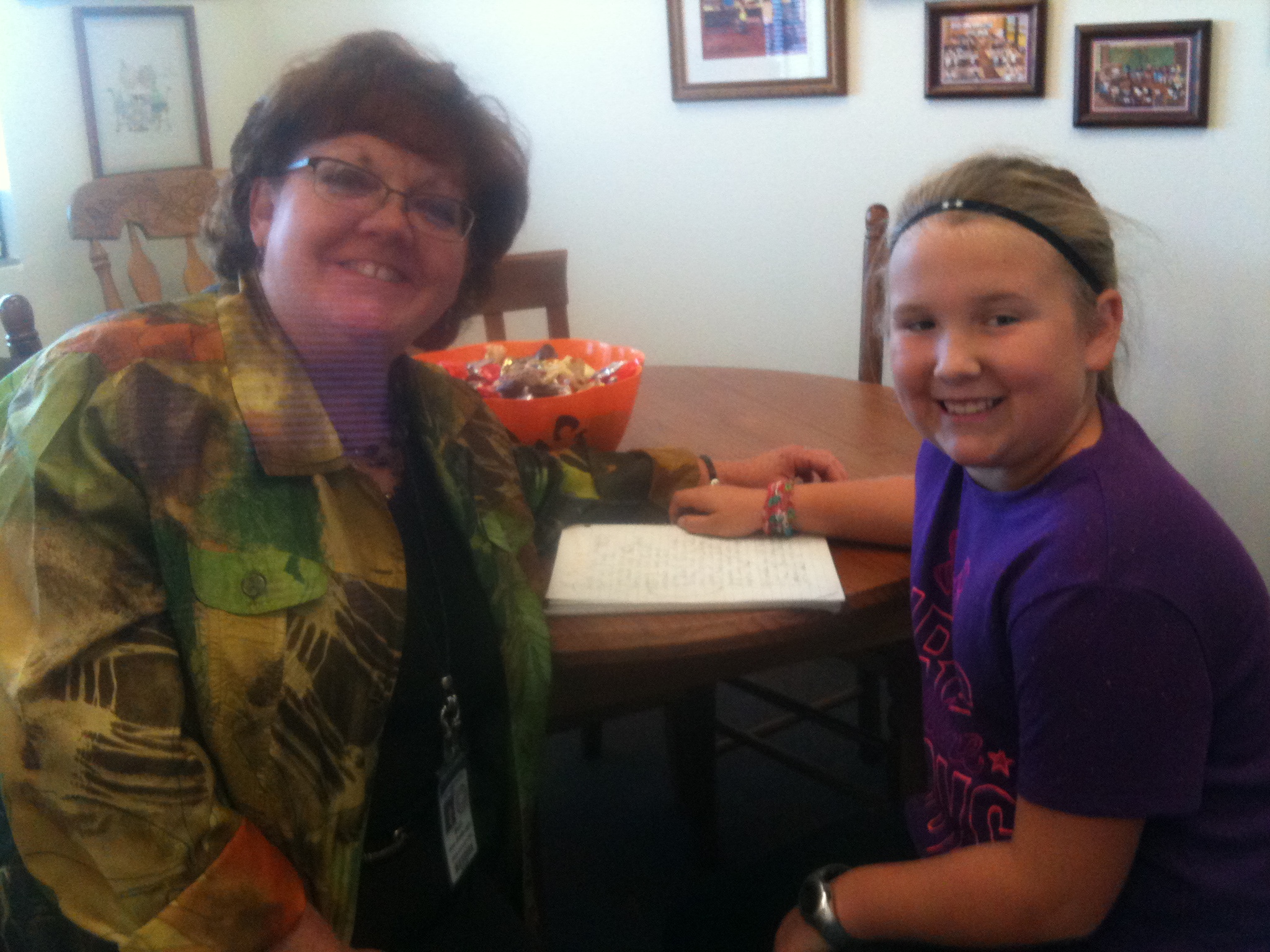
I shared a delightful time this morning with a student who asked to see me…she wanted to share her latest writer’s workshop example, knowing I LOVE to work with young writers.  🙂  She shared her BB1example first, reading with great intonation, voice inflection, and enthusiasm, carefully drawing a visual image in my mind of where we were and exactly what was happening.  When I asked her how she developed this piece, this was our conversation:

  • Me:  WOW, I feel like I am right in the middle of the action!  How exactly were you inspired to develop this powerful written response?
  • Writer:  Our teacher made us listen to the historical conversation to set the stage but refused to show us the pictures.  She likes to do that to us you know.
  • Me:  So, the idea developed from your own mind’s picture of the action.
  • Writer:  Exactly!  See, I knew you would get it.  When I said right here, “…but America didn’t surrender, what we did was put up a bigger, brighter flag…we lost some of our troops and I was sad…but now America has freedom and peace…,” I was wanting the reader to feel what I felt had I really been there.

You can determined which battle (based on the content clues in her writing) she was writing about today, but the message is clear:  young writers need multiple opportunities to experience not only historical but real-life, everyday events in order to process them.  Writing is a wonderful personal outlet for processing, sharing thoughts, expressing feelings, and recording responses for any event.

Just like our teachers do in class everyday (yes, even in Kinder rooms), we encourage you to start a family journal or notebook where everyone contributes something everyday–whether a picture, a story, a joke, or just a list of ideas, it’s something the entire family can share together and look back on in the years to come.

In the meantime, thanks, Briley, for sharing time, deep conversation, and your obvious enthusiasm for writing with me today.  Thanks for also giving me permission to share your smart work with others too!  🙂  WRITE on…

Parent-Teacher Conference Time!

It’s the annual time of year to huddle up and talk about progress so far this school year…hard to believe it’s time again actually!  keepcalmkindnessWe all know our learners thrive best when they feel all the adults in their lives see them in a consistent way.  Conferences are a great personal way to interact, share, and problem solve together when discussing strengths and challenges and the best ways to support each other in the home-school connection.  Here are some tips on how to build a working relationship to benefit everyone:

Be there:  Research shows children do better academically when both parents attend conferences and meetings together.  If you need to reschedule the appointment, no worries; just let the teacher know.

Remember this word…Focus:  The aim of a parent-teacher conference is for the adults in a the child’s life to build a mutually respectful alliance supporting the child’s journey through school.

Share insider information:  Tell the teacher what you know about your child as a learner.  YOU know what your child loves and despises about school, what motivates the child, and what has worked well in the past.  Share your hopes and fears for your child so instruction can be fine-tuned for maximum effectiveness.  You build a stronger relationship with the teacher when you take a moment to share your feelings about your child’s future.

Use the report card as a jumping-off point, not as the center point of the conversation:  Turn any review of grades into an learning opportunity to get the teacher’s more detailed observations about what’s working and what’s not for your child.  Do not dwell on the grade itself and do not pressure a teacher to change a grade (if you believe a real issue exists, please bring this to Mrs. Bass or myself).  Grades are not always the final reflection of a child’s overall abilities.

Inquire about progress in areas beyond academics:  It’s important we raise loving, respectful, productive citizens in our learning community everyday!  They will, in fact, be the decision-makers of the future.  Ask about friends, socialization at recess, group work times, specials, lunch, and other times throughout the day.  How each child functions with others is going to make a huge difference later in life!

Ask what you can do:  Be receptive to advice on how best to support your child without micromanaging or rescuing him/her from mistakes and valuable lessons learned.  This HARD to do as a parent; I know!  🙂

Trust your child’s development:  Relax a little and have faith in your child and your child’s journey through school.

Leave your own school baggage at home, please:  We all have memories and experiences of teachers and classes where we were not happy.  Please set those aside and approach your child’s teacher as a peer and learning partner.  Always assume the teacher WANTS your child to succeed in school and in life—just as you do!

I say it over and over, but it’s so true:  The days of raising a child are long, but the years are far too short.  The work you do today with your child’s teacher (especially during a conference) will finds its way back to your child in the long run.  EnJOY your conference time!

Pirates and POWER and Socks…oh my!

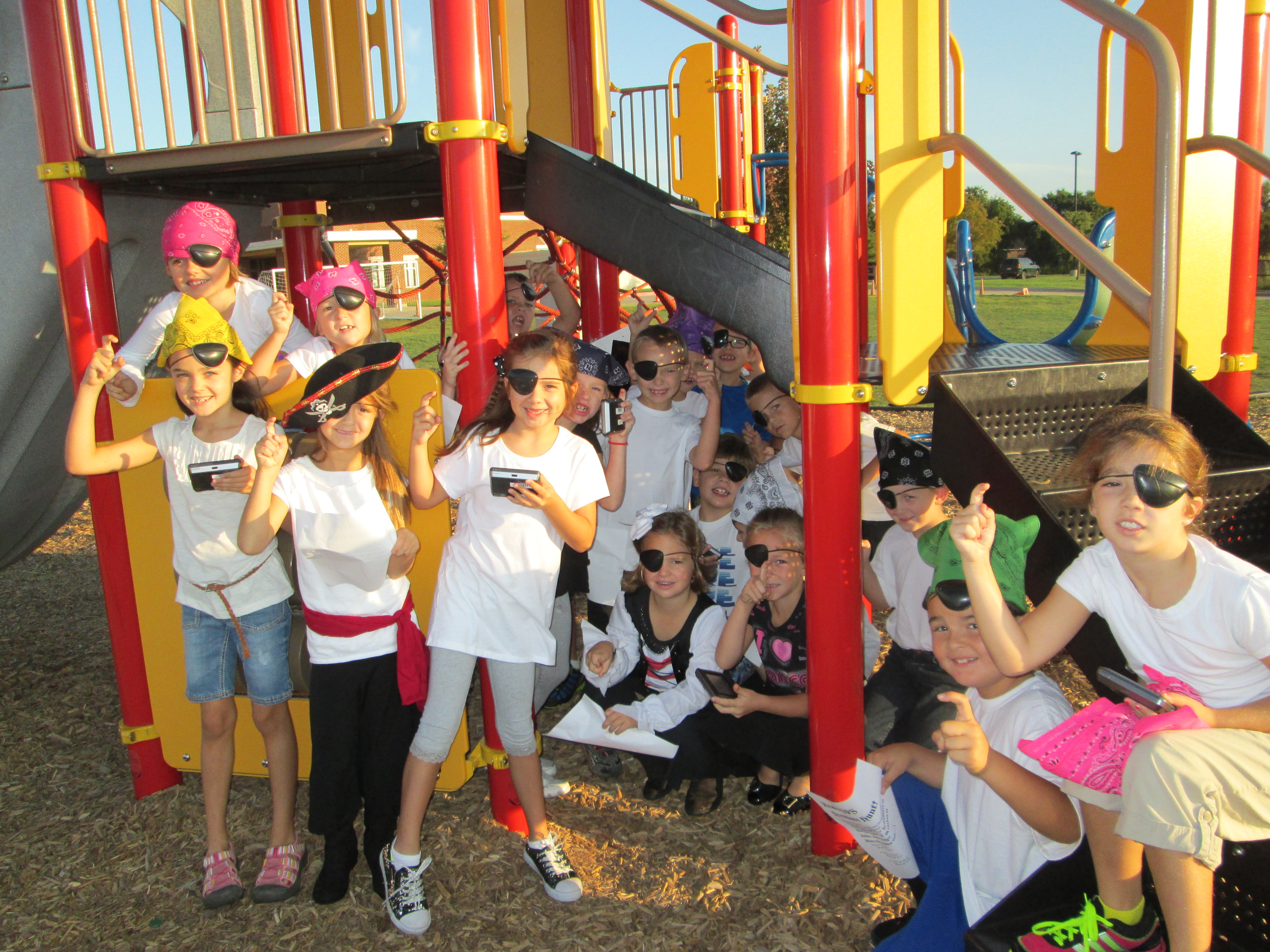
Pirates took over the second grade today and IMG_0465raided the entire school using their GPS devices, clues, and cleverness to track down the stolen treasure.  While I have no idea how or even why the treasure mysteriously appeared in Captain Van’s quarters, it goes without saying there was some explaining to do…  🙂

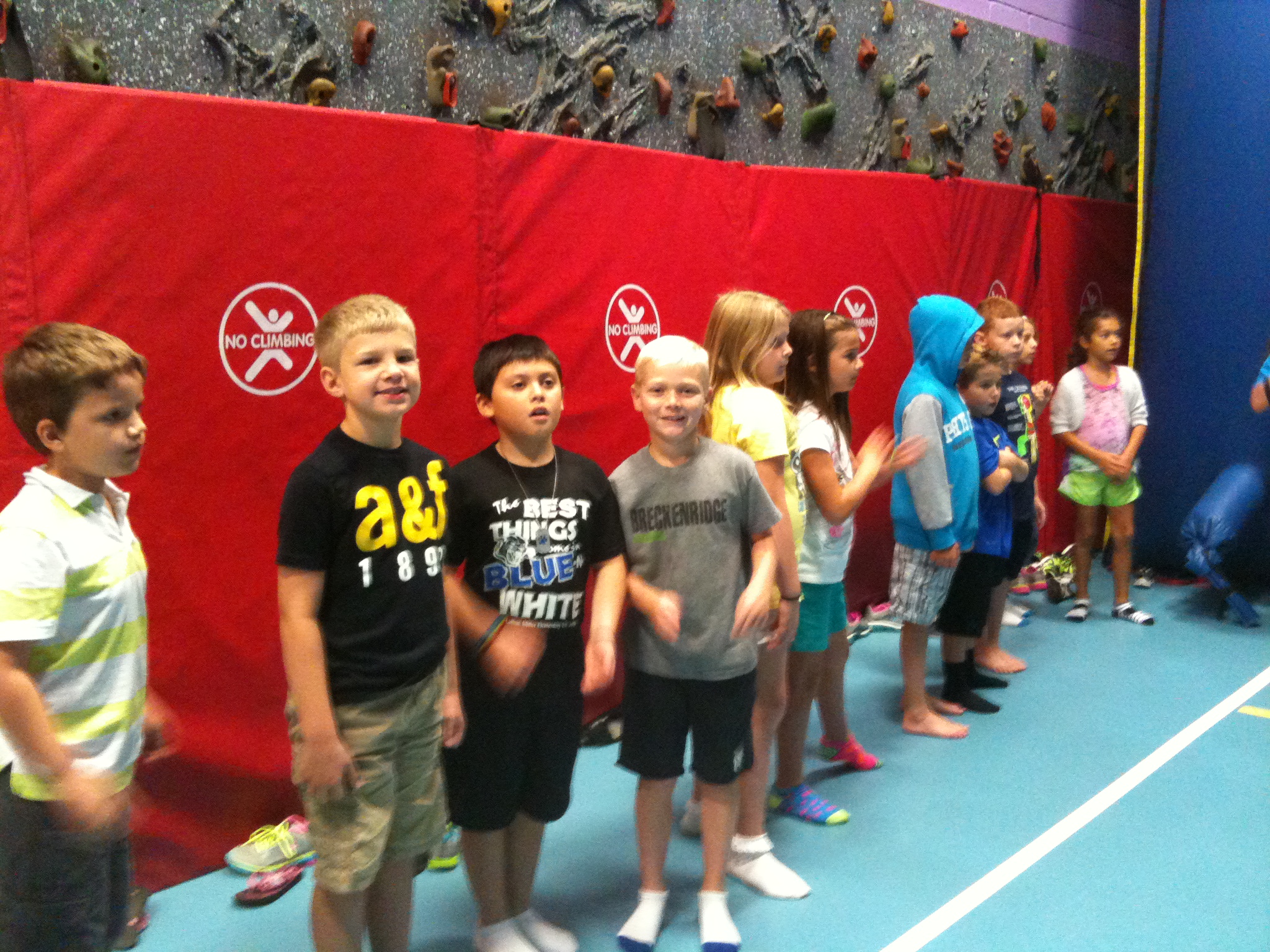
IMG_3262Meanwhile, the POWER of Miller was heard and felt as the gym (filled to capacity with eager participants and inflatables) enJOYed a special POWER day of interactive events.  Thanks Coach Rogers and the specials team for coordinating and keeping us safe and happy during six rotation-station special sessions today!  WHEW!  Speaking of the POWER of Miller, you are probably wanting to know some results:

  • Total raised so far:  $14,100 (keep sending in $$$!)
  • Top four charity choices from your voting:  Parkland Burn Center Camp, American Cancer Society, Manna House, and PAWS for Reflection

As promised, we will give our 10% back to our community by dividing it into these top four family-selected organizations within the next two weeks!  As a side note, we made an executive decision to narrow down our cancer choice this time to a specific student in our local community, Ethan Hallmark, who is fighting cancer once again.  He is a strong role model and shining example of great strength and courage; he is also well-connected to our learning community and we want to help him during this important time.  Our portion to the ACS will now go to Ethan’s Bucket List charity (if you have a concern about us narrowing this choice to someone specific, please notify the front office to talk with me about it).

Finally, the socks started flying this afternoon as preparations were being made for the annual PTO Sock Hop and Classic Car Show tonight at LME.  We look forward to seeing everyone, enJOYing some great music and treats, and spending time with our families.

Between the pirates, the POWER, and the socks, this week is a wrap.  EnJOY a fabulous fall weekend!

Digital Citizenship

To support the Technology Texas Essential Knowledge and Skills (TEKS) across grades KG – 8, our annual Digital Citizenship Week in Midlothian ISD encourages our learners to consider information on smartcookieethical and safety concepts as they work in the digital age (something I never worried about during my formative years!).  Our creative Library Media Specialists (our really smart cookies) have designed engaging lessons centered on five key components of the digital age in the 21st century:

Copyright and Fair Use:  Learners talk about pride in creating personal work and presenting it as their own while being taught appropriate ways to give credit for the work of others and how to cite it.

Digital Etiquette:  Discussion centers about what we say online, including the example of not saying anything you would not say to a person’s face…”words online should always be kind.”  🙂

Digital Safety:  Activities share ideas for staying safe and using common sense while working online.

Cyberbullying:  Specific care is taken to talk about online bullying (the most common form of bullying in this country, especially in adults).  Our tweets, texts, blogs, and multiple media forms are permanent…”just like the toothpaste in the tube, once you say something, text it, tweet it, comment on it, send it, or post it, you can’t take it back…”

Digital Footprint:  Learners sum-up the top tips to remember about digital citizenship like “let an adult know if anything you read or see makes you feel worried or upset” or “treat your password like your toothbrush; don’t share it with anyone and change it often.”  🙂

Special thanks to our own LMS, Melissa Bolgiano, and her team of techies who delivered informative, fun daily lessons and morning messages along with special public service announcements all week.  While digital citizenship is a relatively new term for some, it is everyday vocabulary for our 21st Century digital natives.  I challenge you to discuss these concepts with your child this weekend; you just might learn something new about your own digital citizenship!  🙂

Note:  We look forward our POWER of Miller celebration tomorrow along with the annual PTO Sock Hop and Classic Car Show…see you there! 

Motivated to learn…

There’s no need to be ashamed or to hide it; I am a lifelong learner.  bva-7From the time I could read, learning has intrigued and empowered me in ways I could never explain.  Such is the case this week as our MISD leadership team grapples with these five critical questions during our two-day conference with the Schlechty Center:

  1. How do we get others to “buy-in” as we continue our journey to transform into the leading learning organization in the nation?
  2. What are some tools and resources we can employ to get to know our “who” (our learners and classroom leaders) to determine if they are engaged and why?
  3. How do we provide and receive meaningful feedback and encouragement to and from our colleagues on this journey?
  4. What work inspires autonomy, mastery, creativity, and a sense of purpose?
  5. How do we bring JOY to the learning everyday?

These are not easy questions to ask nor easy questions to ponder for answers!  We know there is a strong link between engaged students, teachers, administrators, support staff, parents, and community members, and increased levels of overall performance and achievement for all.  In their book, The Progress Principle: Using Small Wins to Ignite Joy, Engagement, and Creativity at Work, Teresa Amabile and Steven Kramer discuss it this way:  “Intrinsic motivation is the love of the work itself—doing the work because it is interesting, enjoyable, satisfying, engaging, or personally challenging.  Intrinsic motivation—deep engagement in the work—can drive people to surprising displays of effort.”  This is true of children in classrooms and adults in real jobs everyday!  Ask yourself the five questions above about your own work; what are your thoughts?  How do we build intrinsic motivation and deep engagement in young learners so they successfully reach their fullest potential?

As always, I welcome your thoughts and perspectives as we continue to tackle these questions…

Note:  In the meantime, thanks for providing some extrinsic motivation (in the form of $) to pump up our POWER of Miller success this week!  🙂

We’ve got the POWER!

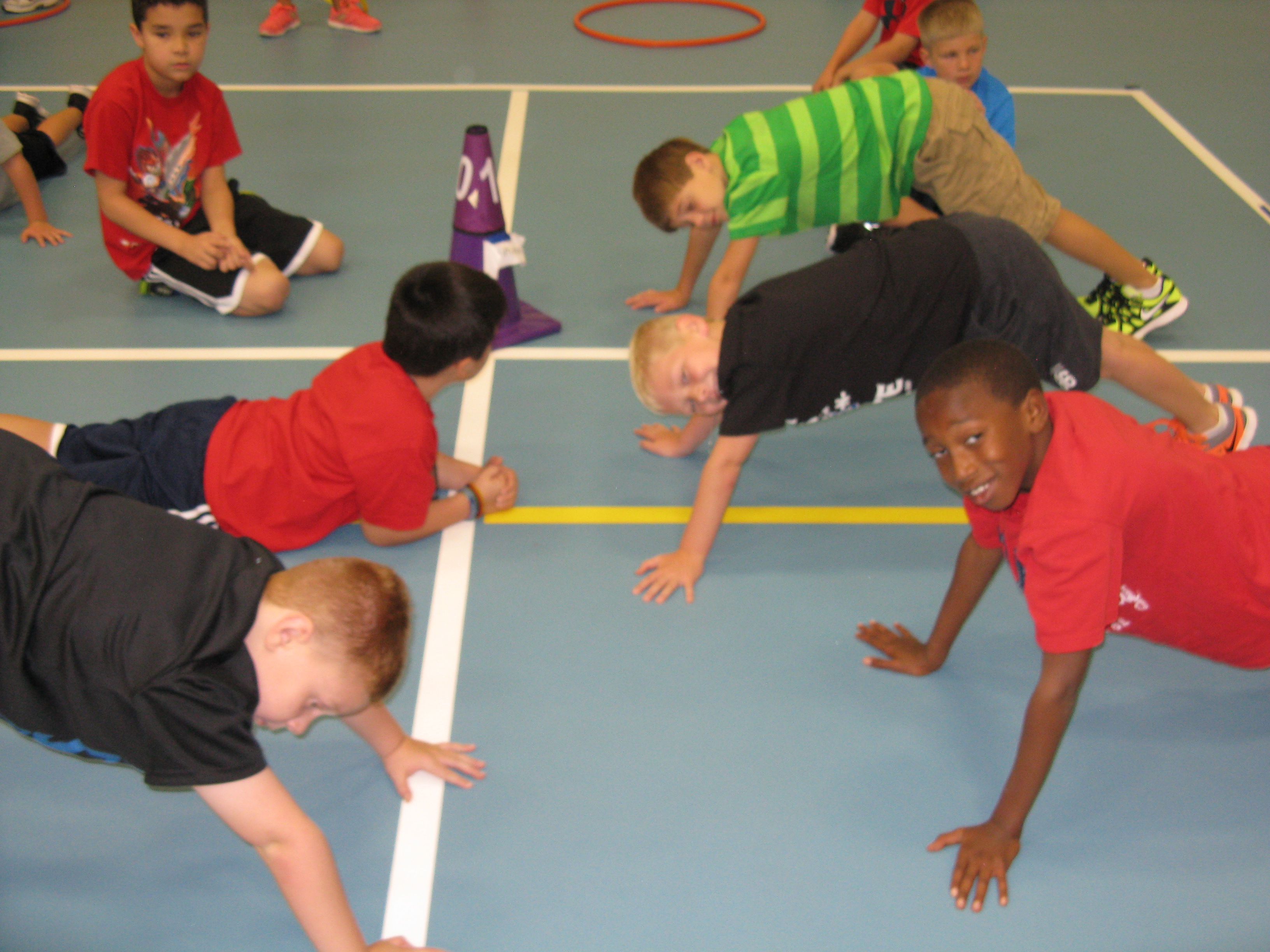
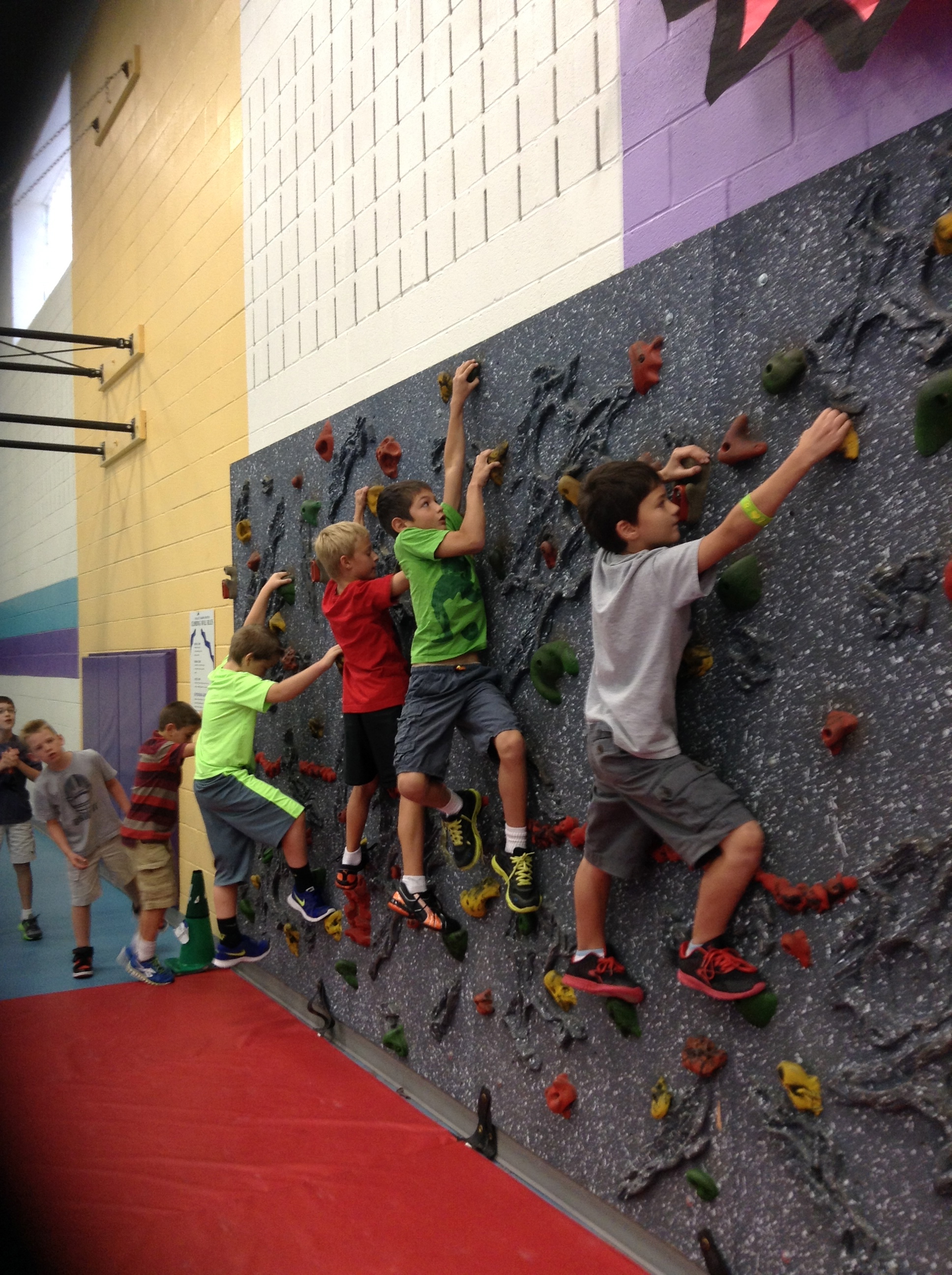
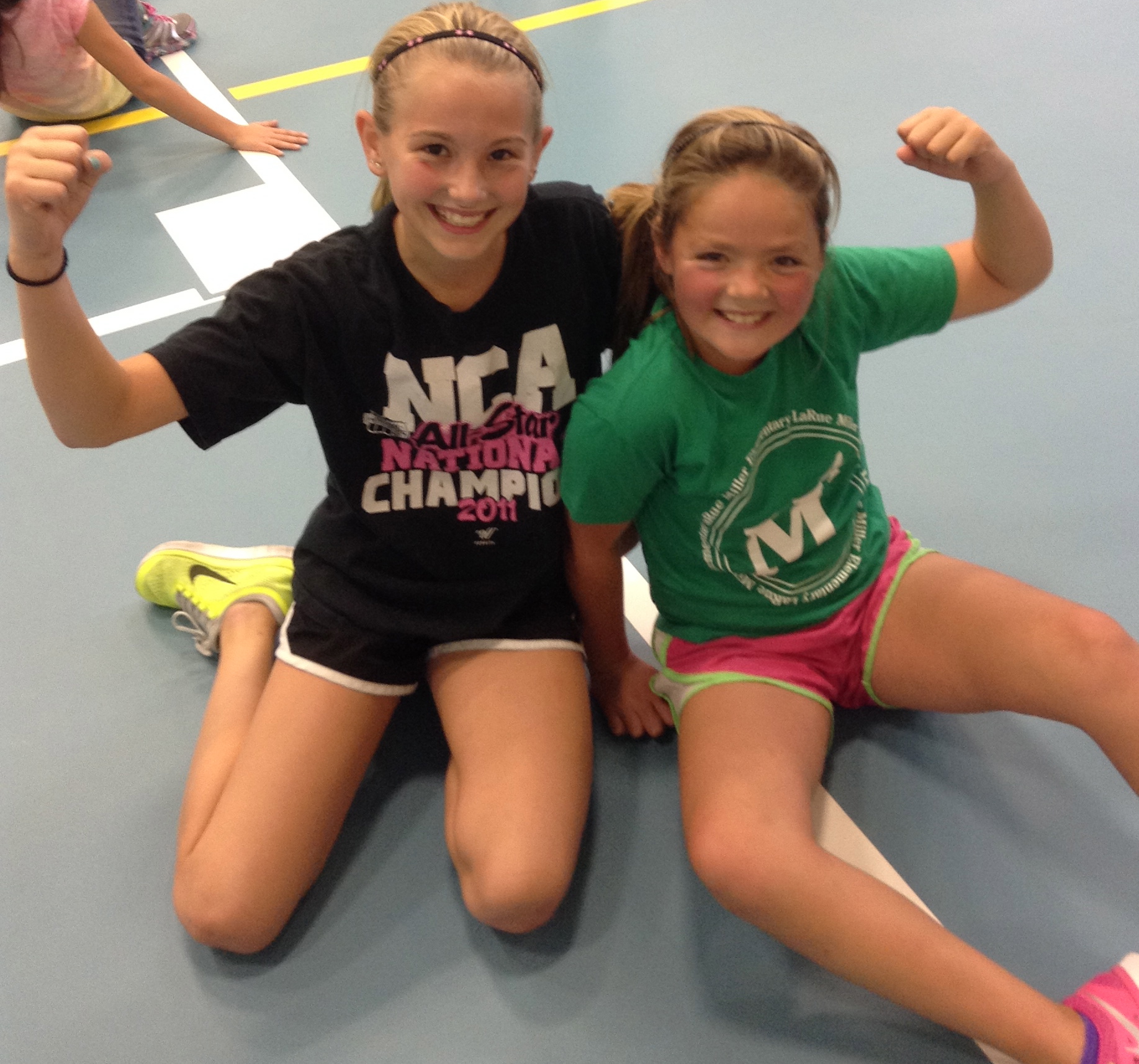
IMG_0976  IMG_0282Oh yes…we’ve got the POWER here at LME today and everyday!  It was a grand day for proving our POWERs of strength, endurance, teamwork, and pure JOY during “specials.”  Each learner, classroom leader (including yours truly), and several community volunteers actively participated in ten stations of exercise to earn a point of completion at each station.  Students (and the rest of us) gathered sponsors fIMG_0403or our intended success.  Now we collect the money (due by Oct. 2) and celebrate our success (Oct. 4).  We also look forward to sharing our final results in the next few days…stay tuned!

Special thanks to our incredible Specials Team, led by Coach Rogers (with Hans and Franz), our office team (especially Mrs. Worley, Mrs. Huff, Nurse Sullivan, and Mrs. Gossett), our staff, our parents, and everyone who participated or led the cheers as we raised funds and successfully proved our POWER of Miller!

The Art of Setting Limits, Part Two

As we discussed yesterday, setting limits is a specific alternative to punishment and threats.  Giving a child limits is a MentalToughnesspowerful tool in the parental (and educator) toolbox for providing positive discipline for a child.  In fact, children crave routines and knowing their limits on behaviors; both help them feel safe.

Here’s five-step approach we use in classrooms to set limits with our learners in order to increase effectiveness for everyone:

Explain which behavior is inappropriate.  Simply saying “stop that” may not be enough.  The child may not know if you are objecting to how loudly he is talking or objecting to the language he is using.  Be specific in your directive.

Explain why the behavior is inappropriate.  Never assume the child knows why the behavior is not acceptable.  Is she disturbing others?  Being disrespectful?  Not doing a task you asked of her?  Again, be specific.

Give reasonable choices with natural consequences.  Instead of using the ultimatum (“do this or else”), tell your child what the choices are and what the consequences of those choices will be.  Ultimatums lead to power struggles because you are forcing one thing.  Providing choices with consequences does not force your decision, but the child’s personal choice.  Likewise, consequences that logically follow from your child’s actions usually work best as a teaching tool.  Example:  In an angry moment, the child chooses to break something.  A logical consequence would be for the child to clean up the mess and pay for the item out of her allowance.

Allow wait time.  It’s usually best to allow a few moments (not too many) for the child to make the decision.  In upsetting moments, it is critical to remember the child is not thinking clearly (and neither are you, most likely).  It may take a few moments for everything to process before a choice is made.

Be prepared to enforce your consequences, even when they are inconvenient.  Setting a limit is completely meaningless if you do not consistently and persistently enforce the consequences you set with the choice.  For example, if your consequence is no TV or social media for a month, be ready enforce it the entire month–no exceptions!  Never back yourself into a corner; set reasonable enforceable consequences and stick to them!

Limits are powerful teaching tools to modeling appropriate behaviors.  It’s really not about who’s the boss; it’s about modeling respect, giving guidance, and ensuring an overall feeling of safety and security in a nurturing, calm manner.  You are your child’s first and most important teacher; practice these techniques and never give up hope!  As I remind parents daily, the days of raising our children are long, but the years are far too short…  🙂

We look forward to The POWER of Miller tomorrow! 

The Art of Setting Limits, Part One

It’s true; we bring this precious life into the world to nurture, love, grow, and shape into an upstanding citizen and leader of the next generation.  No one bothers to remind you (as you leave for home that first time) there is no instruction or direction manual for this precious child.  AchievementWordleAs my dear daddy quips, “You need a license to drive, hunt, fish, get married, or any other number of things in life, but anyone can be a parent.”  🙂

During a recent parent conference, I was reminded of the fine art of setting limits with a child, especially one who is, shall we say, a unique challenge.  When we, as parents (or educators), are faced with undesirable behavior from our child, we have to make the decision about how to respond to the behavior.  It is easy to be emotional in these moments, but logic should control our response every time.

Likewise, it is much easier to punish than to think of logical consequences connected to the child’s behavior (I call these natural consequences).  Punishment works in the short term because it usually stops the unwanted behavior.  In the long run, though, punishment does nothing to solve the original problem and can lead to resentment and retaliation (especially in the teen years)—much more difficult to manage it then!

Did you know the actual word discipline comes from a Latin word meaning “to teach” or “to lead?”  (See, Mr. Van…I learned so much in Italy this past summer!).  🙂  When you discipline the child, you are setting limits as an alternative to threats or punishment.  Limits are powerful tools for parents and teachers to use and setting limits is an art indeed:

Setting a limit is not the same as issuing an ultimatum.  Limits are not threats; they offer choices with consequences.  “If you clean up your room, you can go outside with your friends.  If you don’t clean up your room, you will not go outside with your friends.  It’s your choice.” 

The purpose of limits is to teach, not to punish.  With limits, a child begins to understand personal actions, positive and negative results, and natural consequences.  Giving a child choices and consequences provides a structure for good decision-making later in life.

Setting limits is more about listening than talking.  Take time to actively listen to your child to better understand thoughts and feelings.  You learn more this way and it helps you set more meaningful limits in the future.

In tomorrow’s blog, I will offer five steps to setting limits.  In the meantime, remember to give choices and consequences—no one said the choices had to be likable…that’s part of the art of setting limits!  🙂

Note:  Hans and Franz really PUMPED US UP today and will do so again tomorrow.  The POWER of Miller is this Thursday, September 26th! 

Know and Go…all hands on deck!

Just in case you missed the memos, emails, texts, folders, mass-blasts, and old-fashioned notes home, it’s a busy week for us herehelping-hands as we gear up for the following festive activities:

The POWER of Miller is this Thursday, September 26th all day (during specials time)!  Learners and classroom leaders will work through and complete ten activity stations to raise awareness and money for our school and chosen charities.  This is our one campus-wide FUNdraiser for the year and your support is needed!  We will celebrate our success next Friday, Oct. 4th.  All monies are due back by Wed; Oct. 2nd.

MISD Homecoming is this Friday, September 27th.  Elementary students release from school @ 12:45 p.m., therefore, we are on a short specials and lunch schedule for the day.  The community parade starts @ 3:00 p.m. and the big game begins at 7:30 at the stadium.  Come out and support our team by showing your Panther pride and spirit!

Digital Citizenship Week is all next week with special activities planned in classrooms to include copyright and fair use, digital etiquette, safety, cyberbullying, and our digital footprint.

PTO Family Sock Hop and Classic Car Show is next Friday, October 4th from 7:00 to 9:00 p.m.  This is our traditional Back-to-School family event.  You are encouraged to wear 50s attire, enJOY an ice cream float, and dance the night away with friends and family!

These are important items to know and go.  All hand’s on deck now; here’s hoping you choose to be part of the excitement too!